
How to Hang Tile Art on Wall: 7 Safe Methods
Key Takeaways
- Always match your hanging method to tile weight and wall type; light tiles can use adhesive discs, heavier ones need cleats, Z-clips, or ledges;
- Prep and patience matter: clean surfaces and honor cure times; adhesives fail on textured or humid areas;
- For renters or zero-drill installs, print your tile look with Mixtiles, lightweight photo tiles you can stick, restick, and move;
- Plan layout with paper templates and level lines; use proper anchors or studs for anything over a few pounds.
Tile art brings color, texture, and story to your space, but it is heavy and fragile, which makes this type of wall arts tricky to hang. This guide breaks down the safest methods for how to hang tile art on wall surfaces of all kinds, from adhesive plate hangers for lighter pieces to French cleats and Z-clips for heavier ceramic tiles. You will learn layout tips, ways to hang without damage, and a renter-friendly alternative with Mixtiles so you can get the tile wall look without drilling.
Create a tile-look gallery wall without tools: turn your favorite photos into lightweight, adhesive photo tiles that stick and restick. Order in minutes on the Mixtiles app or website.
What should you check before you hang tile art on a wall?
Start with the basics:
- Weigh the piece of art and note the size, the thickness, and whether the back is glazed or painted;
- Identify your wall type, like drywall, plaster, brick, or a tiled backsplash, and find studs if possible;
- Clean the wall so dust does not weaken adhesives;
- Consider placement risks, like moisture and heat near kitchens and bathrooms, since humidity can loosen bonds.
If the tile is collectible, avoid permanent adhesives. For delicate walls in a new home or rental, plan for gentle picture hooks or damage-free solutions.
What tools and materials will you need?
Use this quick tool and method guide to match your tile, wall, and goal.
|
Method |
Typical Weight |
Wall Type |
Drilling |
|---|---|---|---|
|
Adhesive Disc Plate Hangers |
Light, small tiles |
Smooth painted drywall or plaster |
No |
|
Picture Hanging Strips |
Very light pieces |
Smooth walls only |
No |
|
French Cleats |
Medium to heavy |
Stud-backed drywall or masonry with anchors |
Yes |
|
Z-clips |
Medium to heavy |
Studs or rated anchors |
Yes |
|
Picture Ledge or Mirror Clips |
Varies |
Most wall types with anchors |
Yes |
|
Mixtiles Photo Tiles |
Ultra light |
Most flat surfaces |
No |
How do you hang light tiles without drilling?
Light, small tiles can be hung using adhesive plate hangers or picture hanging strips if both the wall and the tile back are smooth and clean. Respect weight ratings and cure times for best results.
Step-by-step: Using adhesive plate hangers (disc hangers)
Follow these steps to make this method work reliably without nails.
- Clean the back of the tile and the wall with alcohol wipes, then let both dry completely;
- Activate the disc adhesive as instructed, then press it onto the tile back and hold firmly for a few seconds;
- Allow full cure time, usually 24 hours, before hanging to achieve maximum bond strength;
- Place a small picture hook or nail in the wall and hang the tile, checking that it sits flush and level;
- Test near the floor first with a similar piece if you are unsure of the bond or the wall paint.
Do picture hanging strips work on tile?
They can, but only for very light tiles on smooth, painted walls. Avoid textured or dusty paint and steamy rooms. Use multiple strips and follow prep steps carefully. If the tile back is painted, adhesion may bond to paint rather than tile, which can fail over time. When in doubt, choose a mechanical method.
How do you hang medium-to-heavy tiles securely?
For heavier tiles, use hardware that transfers weight into studs or rated anchors. Mechanical support provides a safer way to hang without relying on adhesive alone.
French cleats
French cleats are two interlocking brackets. Fasten the wall cleat into studs or heavy-duty anchors. Bond the tile cleat to a wood backer that is adhered to the tile back only if the piece is not a valuable collectible. This method is strong, level, and easy to remove for cleaning.
Z-clips or interlocking brackets
Z-clips offer a low-profile alternative that keeps the piece close to the wall. Mount one clip to the wall and one to a bonded backer on the tile. Use proper screws and anchors for your wall type. This is a great way to hang when you want a flush look.
Shelf, ledge, or mirror clips
A picture ledge with a small lip supports weight from below and avoids adhesives on the tile. Mirror or tile clips secure corners neatly, which works well for a single feature piece or a small row of tiles in a gallery.
Skip drilling and weight worries: get the tile aesthetic with our classic lightweight picture tiles that go up in seconds and move without damage. If you opt for custom canvas prints, use our step-by-step guide on how to hang canvas art on a wall for a clean, level look.
How do you plan layout, spacing, and height for a tile gallery wall?
Choose a grid or organic arrangement, then map it at eye level. Most gallery centers look great between 57 and 60 inches from the floor or aligned to furniture edges for balance.
Paper templates and spacing
Trace each tile on paper, mark the hang point, and tape templates on the wall. Adjust spacing to 2 to 3 inches for breathing room. Step back to see the overall flow and refine before you commit.
Staircase walls and grids
On stairs, follow the angle of the railing with consistent risers between rows. For strict grids, use a level or laser and measure twice so every picture reads clean and intentional in your home decor.
How can renters get the tile look with zero holes?
You can recreate the tile wall aesthetic using Mixtiles. Print photos of patterned tiles, mosaics, or your own art and hang without tools.
Print your “tile art” as lightweight, adhesive Mixtiles
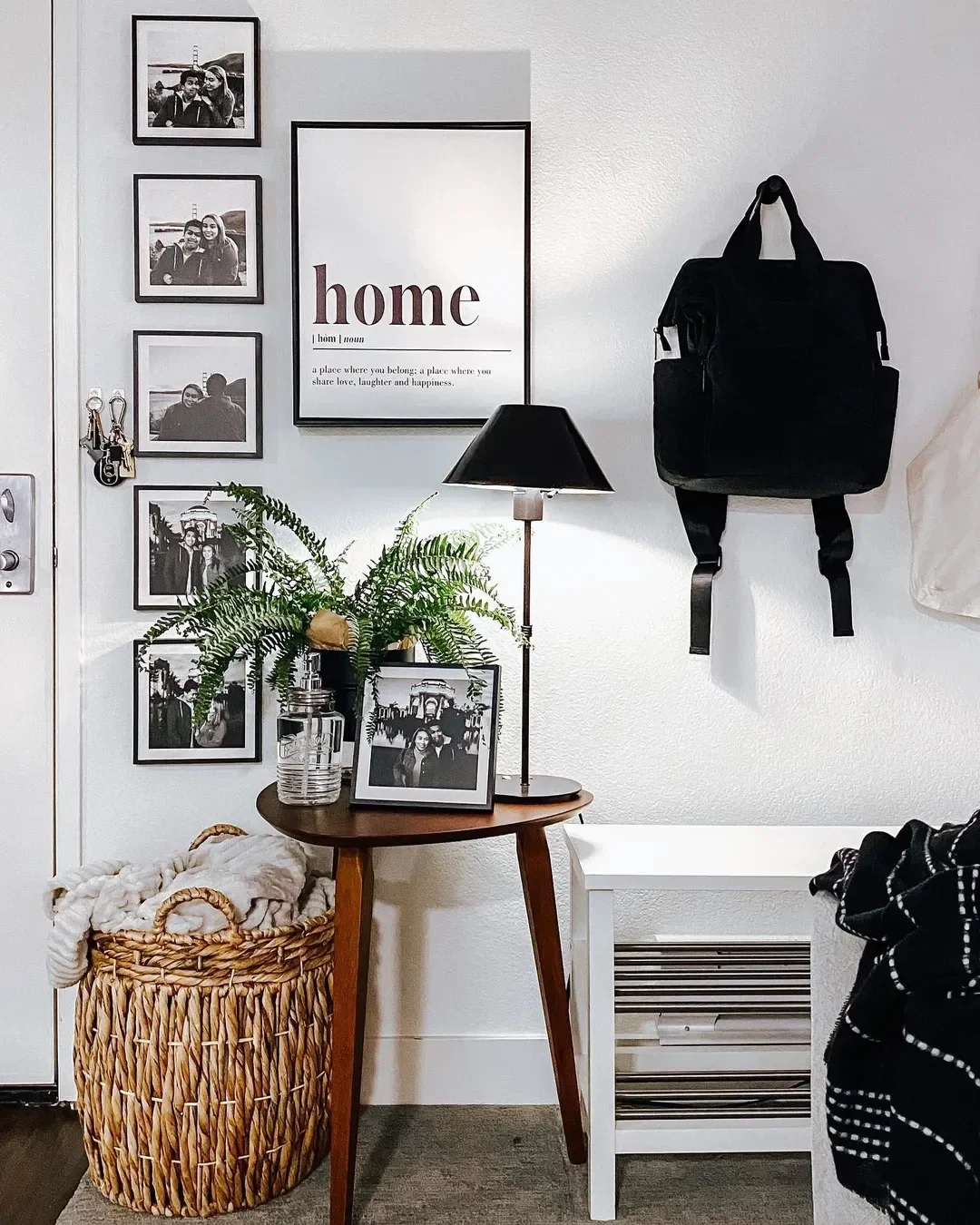
Upload pictures and choose framed or frameless photo tiles. Mixtiles use stick and restick technology or magnets, so you can hang, adjust, and move them without damage. Our gallery walls kits include templates that make layout simple.
Move, reuse, and refresh in minutes
Restick to try new layouts, swap seasonal looks, or add a wall sign for a finishing touch. It is a flexible way to decorate without hooks or holes.
What mistakes should you avoid when hanging tile art?
- Do not overtrust adhesives for heavy tiles or ignore cure times;
- Avoid sticking to textured, dusty, or damp paint that can weaken bonds;
- Always use a stud finder or the correct wall anchors when weight increases;
- Bonding to paint on the tile back is risky since the paint layer can release;
- Skip spots over radiators or in steamy showers unless you are using hardware designed for those conditions.
Hanging tile art safely comes down to matching the right method to your tile’s weight, your wall type, and your goals. Light tiles can use adhesive discs or strips on clean, smooth walls, while heavier pieces work best with cleats, Z-clips, or a ledge. If you are renting, or you just want a zero-stress way to get the look, Mixtiles offers a simple answer for how to hang tile art on wall surfaces without tools.
Ready for a zero-drill photo gallery wall? Create and order your custom wall arts in minutes. Stick, restick, and refresh your walls anytime.
Frequently Asked Questions
How can I hang tile art without drilling?
Use adhesive disc plate hangers or strong picture hanging strips only for very light tiles on smooth, clean, painted walls. Clean with alcohol and honor full cure time (usually 24 hours). Avoid textured paint, grout lines, and steamy rooms. For a zero-drill “tile look,” try lightweight Mixtiles.
What’s the best way to mount a single decorative tile?
For removable installs, use mirror clips or a slim picture ledge that supports weight from below. For secure mounting, bond a backer (wood/metal) to the tile and hang with French cleats or Z-clips into studs or rated anchors. Always match hardware to weight.
How do I hang ceramic art securely on a wall?
Match method to weight and wall type. Light pieces: adhesive discs/strips on smooth painted drywall. Medium to heavy: Z-clips or French cleats into studs or heavy-duty anchors. Very heavy: ledge or multiple clips. Clean surfaces, find studs, and avoid humid or high-heat areas.
How do I hang ceramic wall art without nails?
Adhesive plate hangers or picture hanging strips can work for small, light tiles on smooth walls. Prep meticulously, use multiple strips, and let adhesives cure fully. Skip textured or damp surfaces. Want no-hassle, no-holes decor? Mixtiles photo tiles stick, restick, and move easily.
Do picture hanging strips work on ceramic tile?
Sometimes; for very light pieces on smooth, sealed surfaces. They don’t bond well to grout lines, textured glaze, or humid bathrooms, and long-term hold is less reliable than mechanical hardware. Clean both surfaces, use the correct weight rating, and test low before committing.
What anchors should I use for heavy tile art on drywall?
Hit studs whenever possible. If not, use heavy-duty anchors: toggle bolts or molly bolts for moderate loads, and structural screws into studs for higher weights. A French cleat spreads load across multiple fasteners and keeps heavy pieces level and secure.


Be first to know — deals, news & decor ideas.
By clicking you agree to the Terms of Use & Privacy Policy